- FDA-Cleared Treatment
Break Free From Depression With TMS Therapy
Non-invasive, FDA-Cleared magnetic stimulation with a 68% Remission Rate. No medication. No surgery. Real results in Scottsdale, AZ.
5-Star Rated
Google Reviews
68% Remission
Rate
30-Minute
Sessions
Insurance
Accepted
- Or call us directly: (480) 841-9279
REMS Certified
FDA-Cleared
Board-Certified Psychiatrists
Most Insurance Accepted
Breakthrough Treatment
What is TMS Therapy?
Transcranial Magnetic Stimulation (TMS) is an FDA-Cleared, non-invasive treatment that uses focused magnetic pulses to stimulate brain regions involved in mood regulation. Unlike medication, TMS targets the root cause of depression directly in the brain.
With a 68% Remission Rate for treatment-resistant depression, TMS has helped thousands of patients find relief when other treatments have failed. Sessions are quick, comfortable, and require no downtime.
Non-Invasive & Safe
No anesthesia, no systemic side effects like medications
Proven Efficacy
68% Remission Rate for treatment-resistant depression
Quick Sessions
30-minute sessions, 5 days per week for 4-6 weeks
Insurance Covered
Most major insurance plans provide coverage
68%
Remission Rate
Why Choose TMS
Key Features of TMS Therapy
Non-Invasive
TMS does not require surgery or any kind of invasive intervention. There’s no need for anesthesia or hospitalization.
Drug-Free
TMS Therapy does not involve medications, making it a viable alternative for those who experience side effects from antidepressants or cannot tolerate them.
Low Risk of Side Effects
The therapy specifically targets areas of the brain associated with mood regulation.
Safe and Well Tolerated
TMS has been shown to have a favorable safety profile, with most side effects being mild and transient
Why Is TMS Therapy Needed?
Mental health disorders, particularly Major Depressive Disorder (MDD), are widespread, affecting millions of people worldwide. While antidepressants and psychotherapy are effective for many, a significant portion of individuals—approximately one-third—do not experience sufficient improvement through these treatments. This condition is often referred to as Treatment-Resistant Depression (TRD).
For individuals with TRD, the options have traditionally been limited. Increasing medication doses, switching to different drugs, or combining therapies can be effective for some, but these approaches can also increase the risk of side effects. Additionally, long-term reliance on medication can pose other challenges, including physical side effects, emotional numbness, or dependency.
TMS Therapy emerged as a solution to this gap in treatment. It offers a drug-free, non-invasive approach to stimulating brain activity, providing a new avenue for recovery for those who have not responded well to more traditional treatments.
How TMS Therapy Works
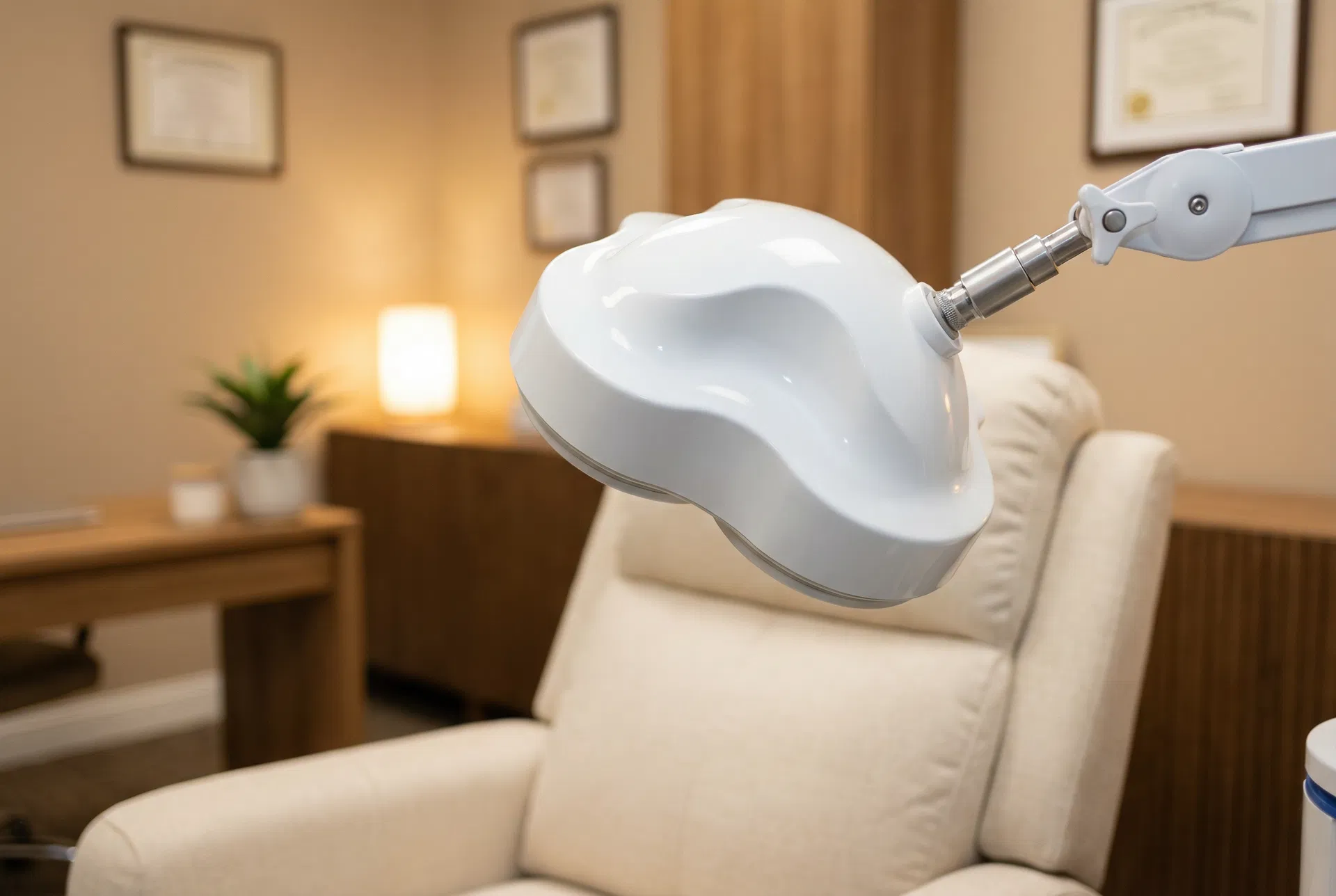
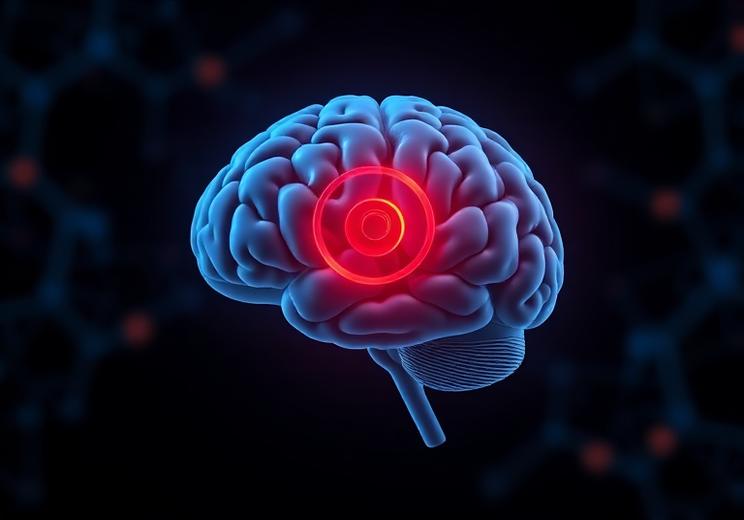
TMS Therapy uses a magnetic field to stimulate specific areas of the brain. The process involves placing an electromagnetic coil near the patient’s head, often positioned over the prefrontal cortex. When activated, the coil generates brief magnetic pulses that penetrate the skull and stimulate neurons in the targeted region, activating neural pathways that may have been underactive.
The Target: Prefrontal Cortex
Neuroplasticity: Rewiring the Brain
One of the key concepts behind TMS is neuroplasticity—the brain’s ability to adapt, change, and create new neural connections. TMS helps “retrain” disrupted pathways by repeatedly stimulating specific brain areas, encouraging the formation of new, healthier neural circuits for long-term improvements in mood and mental health.
Brain Chemistry & Neurotransmitters
TMS Therapy also influences the levels of neurotransmitters in the brain, such as serotonin, dopamine, and norepinephrine—all of which play critical roles in regulating mood. By stimulating the prefrontal cortex, TMS can help increase the availability of these neurotransmitters, leading to improvements in mood and overall mental health.
Your Treatment Journey
How TMS Therapy Works
From your first consultation to lasting relief — here’s what to expect at Scottsdale TMS.
01
Free Consultation
Meet with our team to discuss your symptoms, treatment history, and determine if TMS is right for you.
02
Insurance Verification
We verify your insurance coverage and handle all pre-authorization paperwork on your behalf.
03
Treatment Sessions
Relax in our comfortable treatment room for 30-minute sessions, 5 days per week for 4-6 weeks.
04
Lasting Relief
Experience significant improvement in depression symptoms with results that last long-term.
TMS vs. ECT (Electroconvulsive Therapy)
One common question is how TMS Therapy differs from another brain stimulation treatment: Electroconvulsive Therapy (ECT). While both aim to treat severe depression, the methods are quite different:
TMS is non-invasive
ECT requires anesthesia and induces a seizure in the brain, whereas TMS simply uses magnetic pulses without the need for sedation
No Memory Loss
A known side effect of ECT is short-term memory loss, which does not occur with TMS.
Fewer Side Effects
ECT can lead to more pronounced side effects, including confusion and physical discomfort, while TMS side effects are usually limited to mild scalp discomfort or headache.
- If you or someone you know is in crisis, call or text 988 to reach the Suicide & Crisis Lifeline.